The everyday bag test: what actually needs to fit?
Before choosing a shape, start with your keys, phone and the things you actually carry. A practical guide to proportions, straps and useful space.

A bag can look generous in a photograph and still refuse to take your glasses case. Before falling for a silhouette, empty the bag you use most often onto a table. Keep the things you genuinely need; set aside the receipts and three nearly empty lip balms. The small pile left over is a better starting point than a vague idea of a “medium” bag.
Measure the awkward things first. A phone in its case, a long wallet, a glasses case and a small notebook often determine the useful opening more than the overall height does. Compare these with the listed measurements, and ask about the opening if it is narrower than the body. External dimensions do not guarantee that an object will slide through a zip or a framed closure.
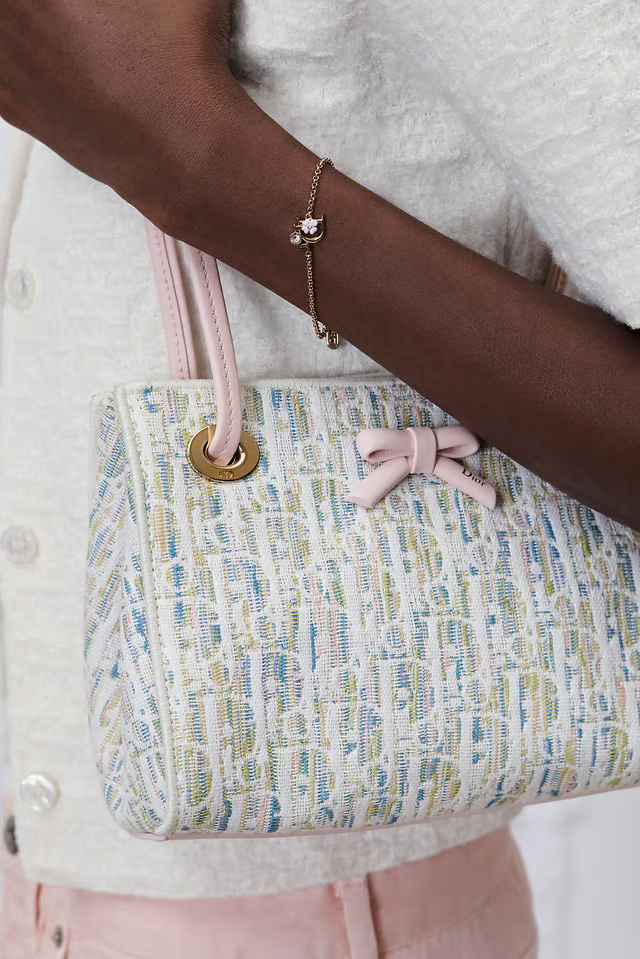
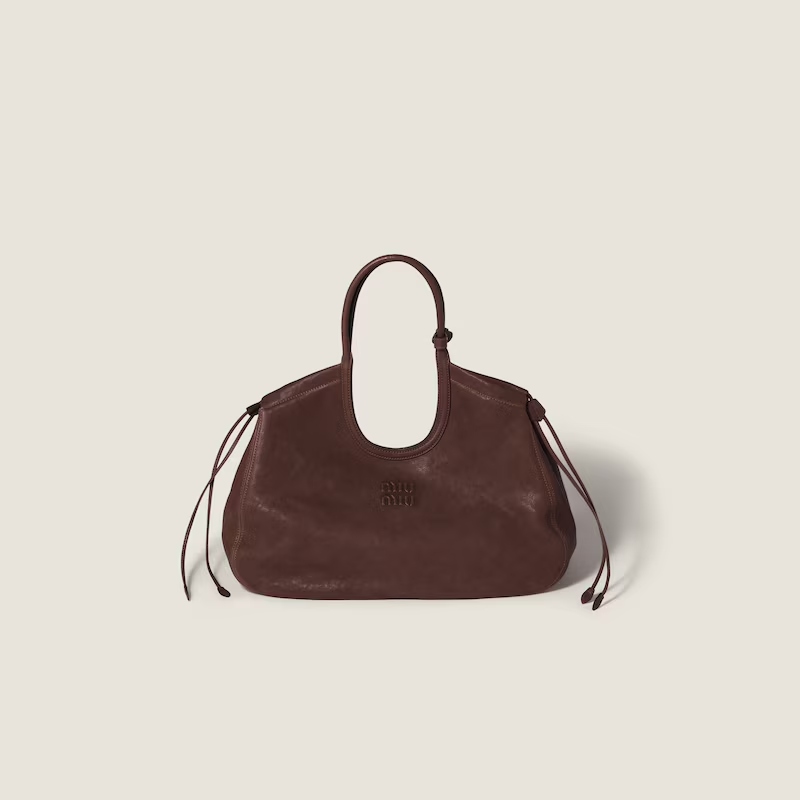
Think about the journey, not just the outfit. A handheld bag can be lovely for dinner and inconvenient on a train when you need both hands. Check whether a strap is fixed, adjustable or removable, and ask for its drop or length if that information is missing. The same strap can sit very differently over a coat than over a T-shirt.
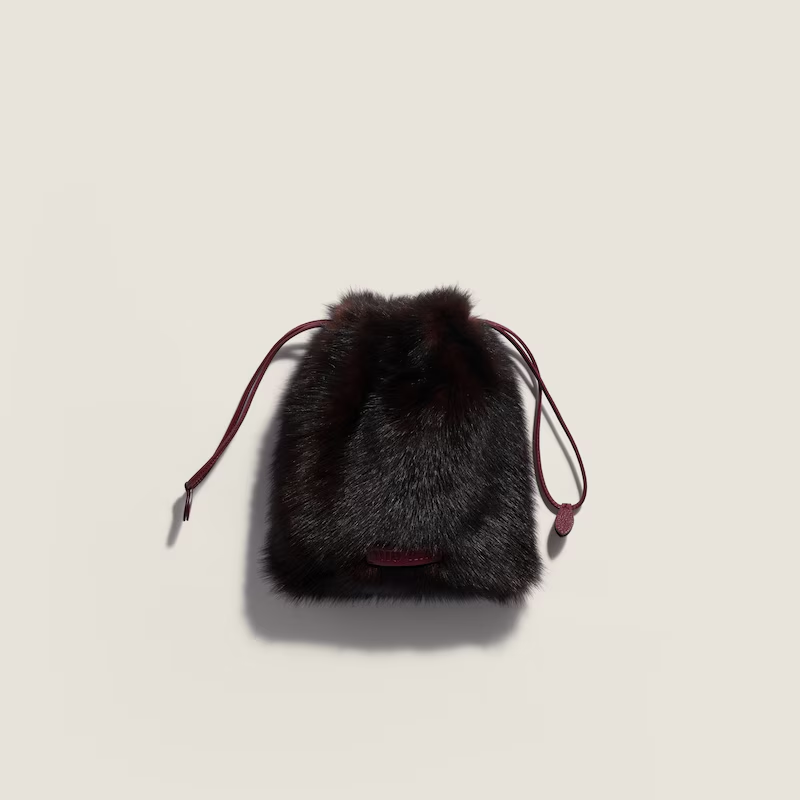
Structure changes how space feels. A firm-sided bag usually keeps its shape but offers less freedom for odd-shaped objects. A softer bag may settle around what you carry, though it can be harder to find something at the bottom. Neither is automatically better. Imagine finding your keys one-handed in a doorway and choose the arrangement that suits you.
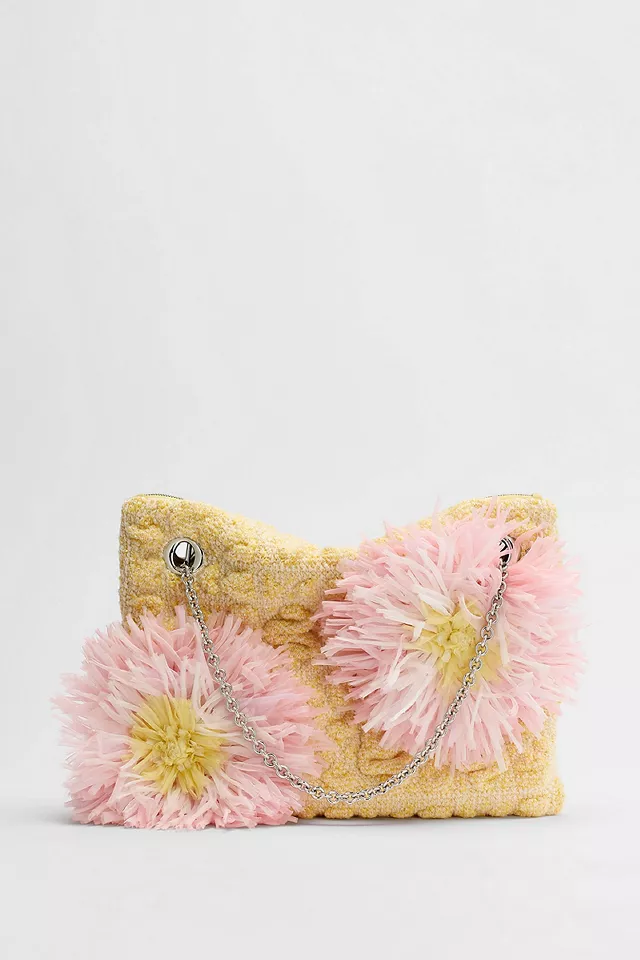
Look at the parts you will touch every day: the opening, handle attachment, closure and internal pocket. A beautiful finish does not answer whether the closure is easy to use. If a listing does not show the inside clearly, ask for the detail rather than guessing from the exterior. Product photographs illustrate a particular item, not a universal promise about every bag in the category.
Finally, check the return and delivery arrangements before paying. Keep the order reference and the measurements you were given. A considered purchase is often a simple one: the shape you enjoy, the carry option you need and enough room for the life you actually lead.