Choosing a watch: look beyond the case diameter
Case diameter is a starting point. Thickness, lug shape, strap fit and the way a watch sits on your wrist deserve a closer look too.
Two watches with the same stated case diameter can feel surprisingly different on the wrist. One may tuck under a cuff while the other catches it; one may sit securely while the other rocks from side to side. Treat diameter as a useful starting point, then look at the other measurements and the way you plan to wear the watch.
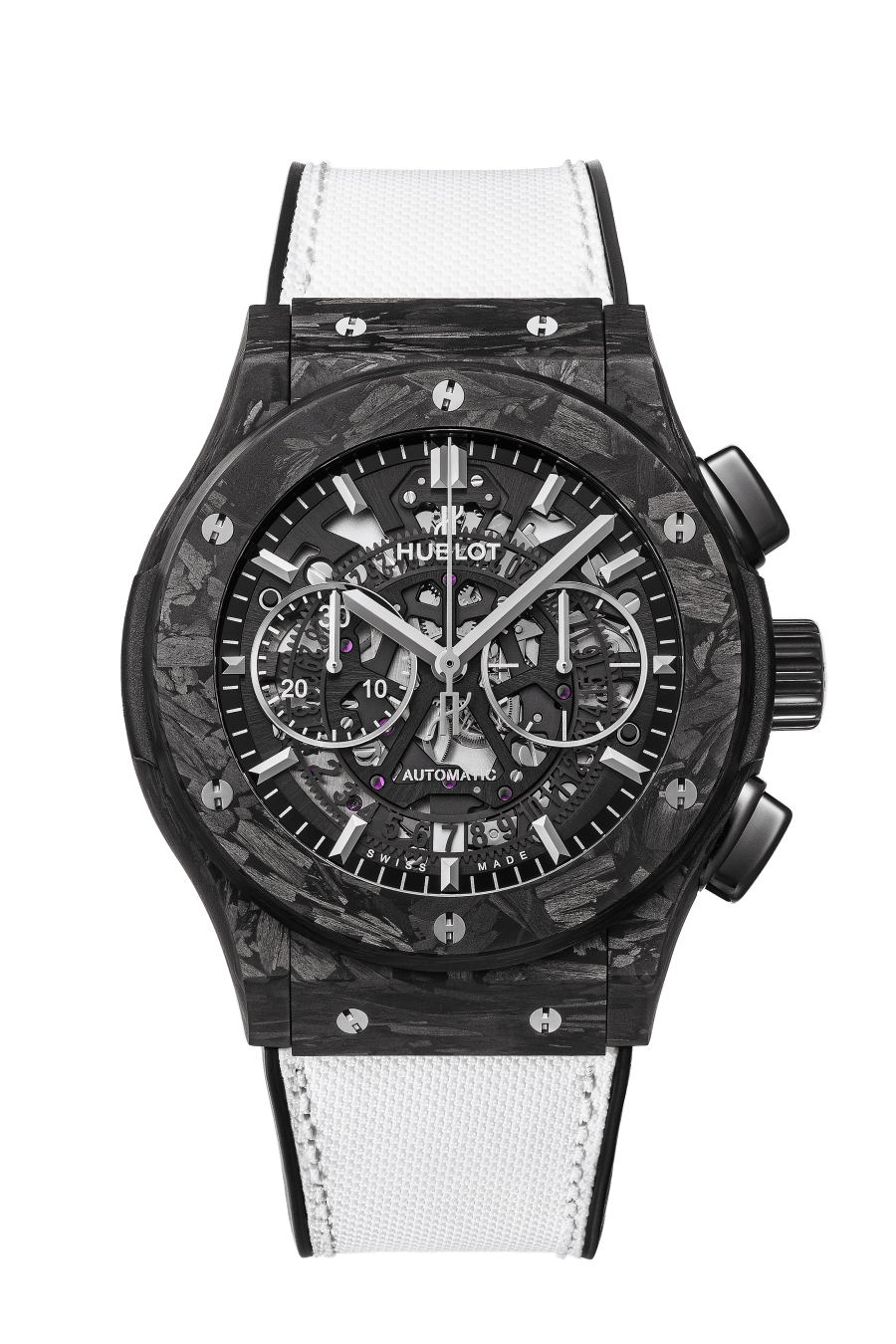
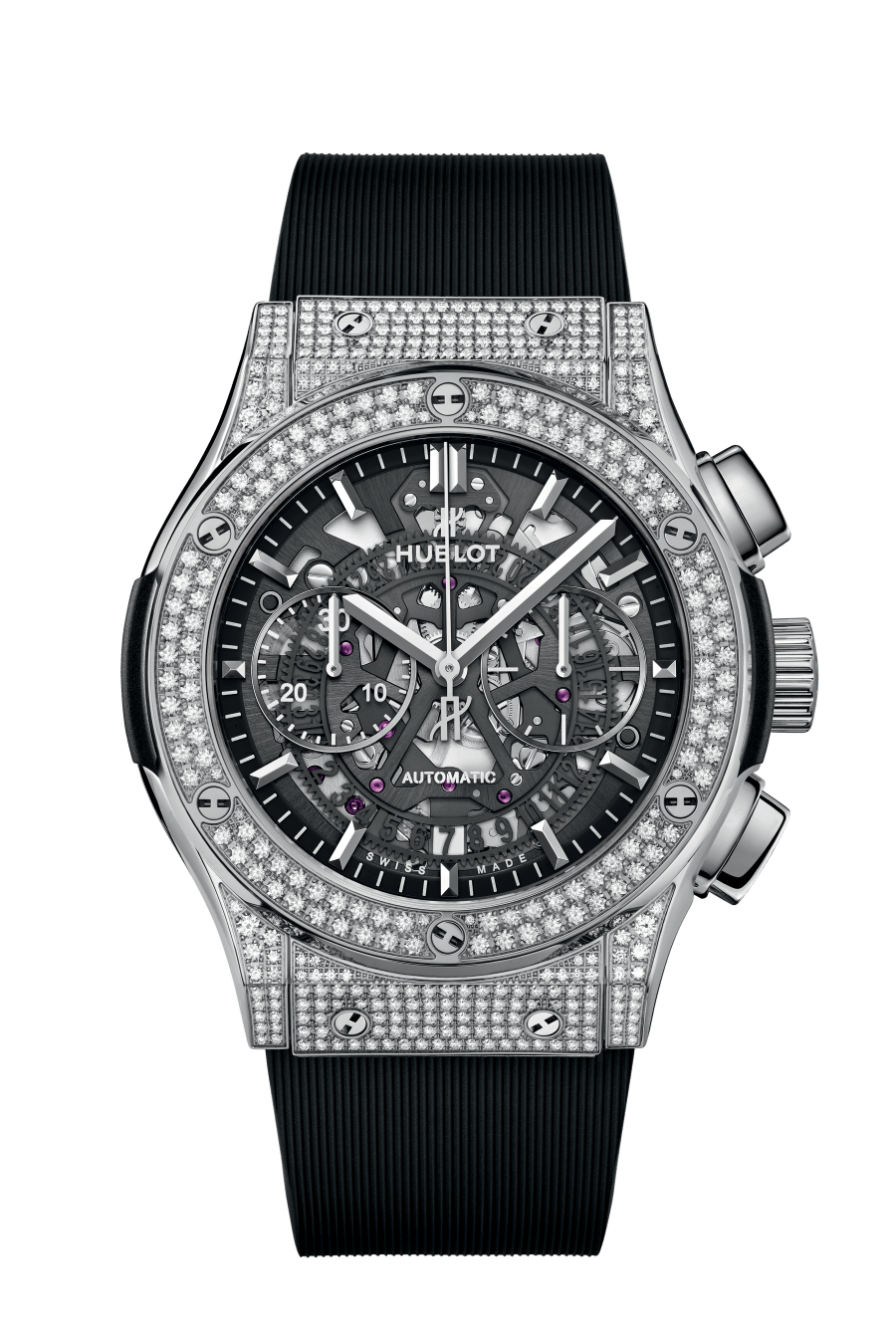
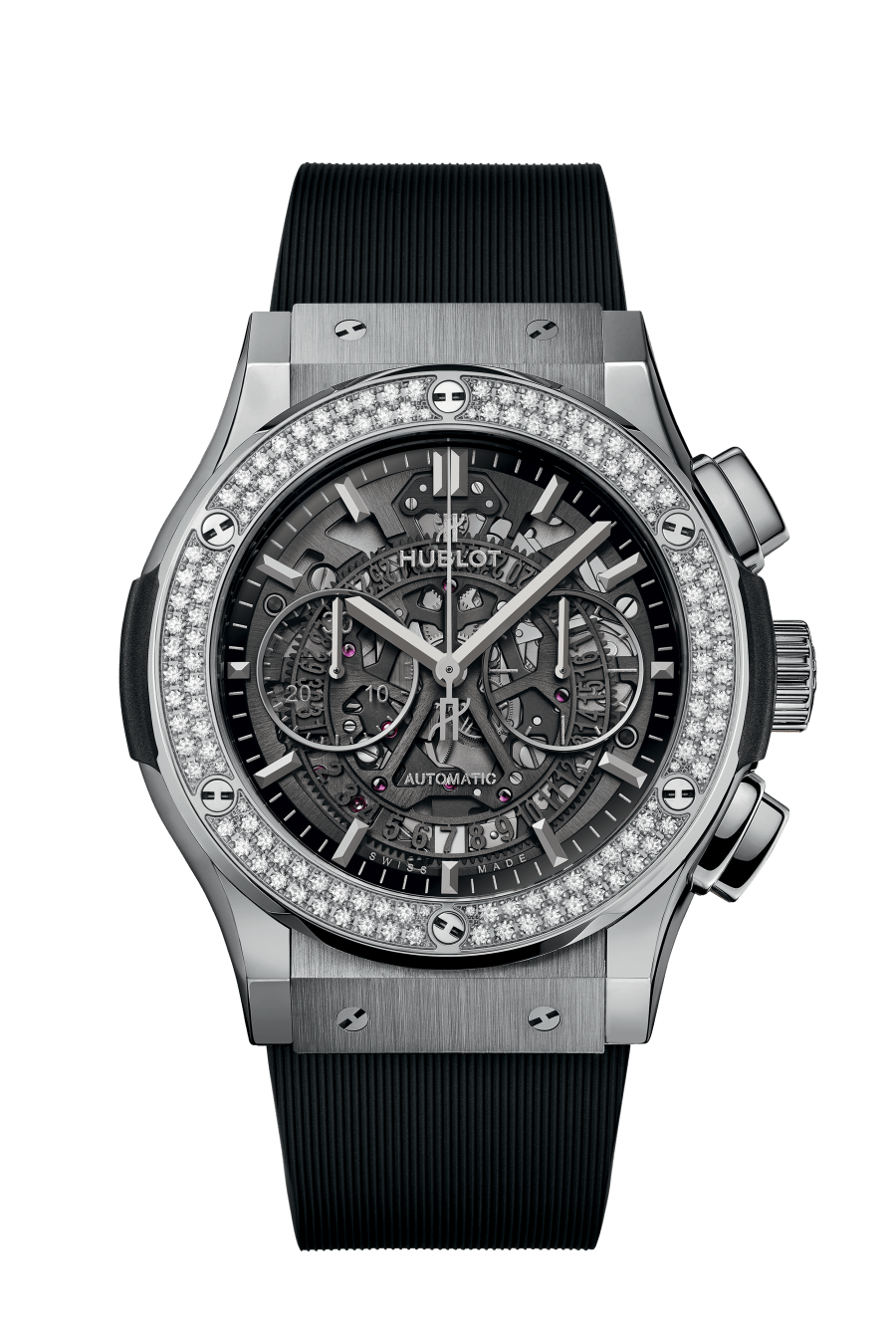
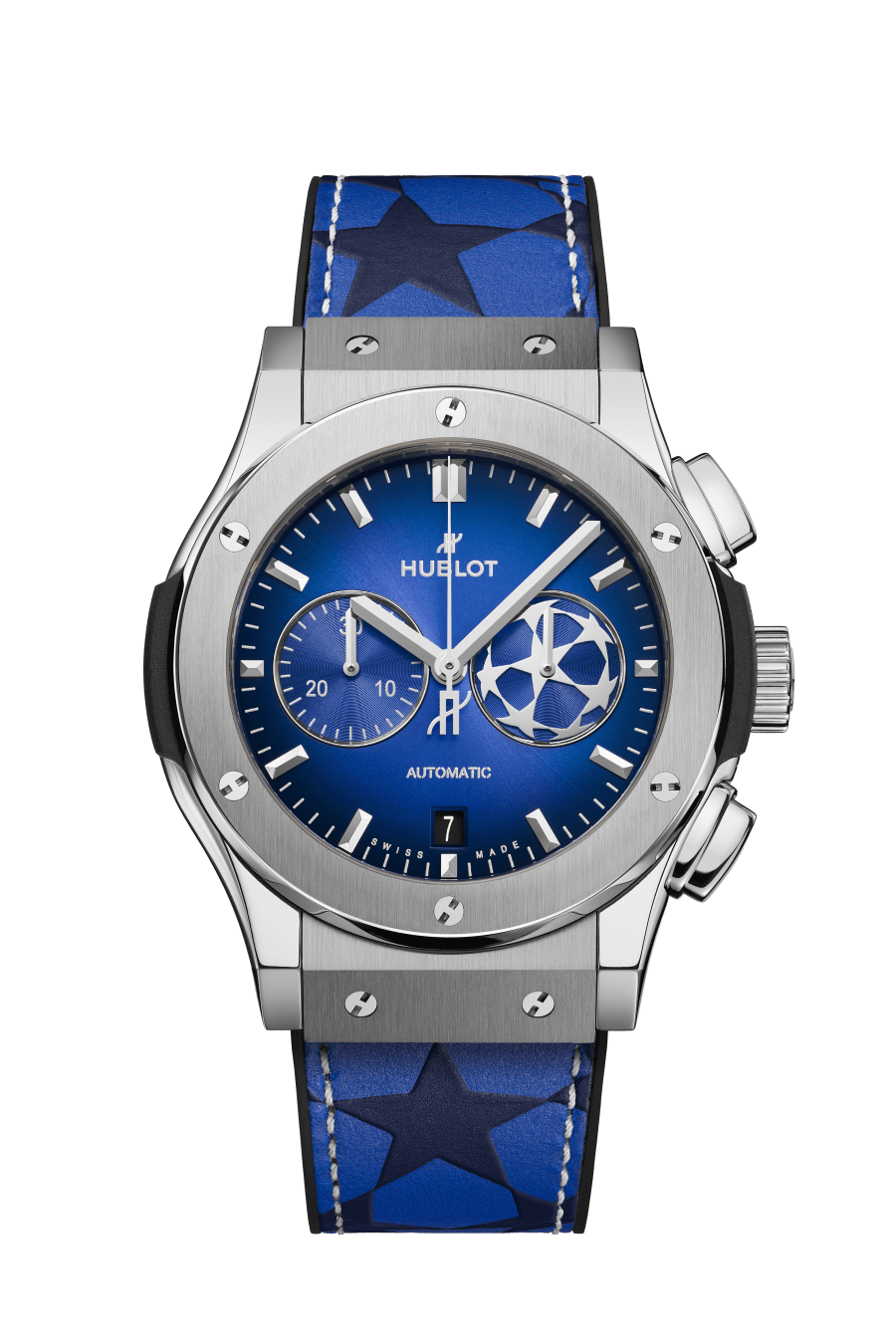
Case thickness affects both comfort and clothing. If you wear shirts with close cuffs, ask for the height of the specific reference rather than borrowing a figure from another model in the same collection. A side-on photograph can help you understand the shape, but it should not replace an actual measurement when clearance matters.
The distance between the ends of the lugs can influence how a watch sits across your wrist. Curved lugs and a strap that bends close to the case may wear differently from a flatter design. If lug-to-lug information is unavailable, say so and request clarification. It is better to acknowledge a missing measurement than to infer one from the diameter.
Check the strap or bracelet as carefully as the case. Ask about the usable length, clasp adjustment and whether any additional links are included. A bracelet in a photograph does not establish the wrist sizes it can accommodate. If adjustment is needed, confirm how it will be handled and avoid removing protective materials or altering the item before you have decided to keep it.
Read movement, material and water-resistance details for the exact product reference. Similar names and different dial colours can conceal meaningful differences. A water-resistance figure is not a general invitation to use any watch in any water activity; follow the specific manufacturer's guidance for that reference and its current condition. When the listing is unclear, ask rather than relying on a broad category label.
Finish with the practical questions: which item is supplied, what documentation accompanies it, what service or warranty terms actually apply, and how returns work. These details should be confirmed for your purchase rather than assumed from the brand name. The best-fitting watch is one whose proportions and everyday requirements you understand before it arrives.